5 Tips for Choosing Sydney Demolition Contractors Efficiently
Demolition is a critical phase in construction and renovation projects, requiring expertise, precision, and strict adherence to safety standards.
 garymartin
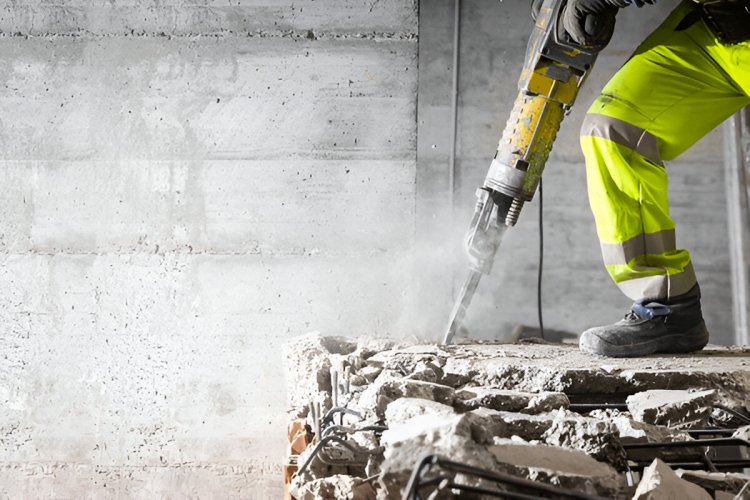
Demolition is a critical phase in construction and renovation projects, requiring expertise, precision, and strict adherence to safety standards. Whether you're tearing down an old home, clearing a commercial site, or preparing land for redevelopment, selecting the right demolition contractor in Sydney is essential for a smooth and successful project.
With numerous contractors available, making the right choice can be challenging. To help you navigate this process, here are five key tips for choosing a demolition contractor in Sydney efficiently.
Demolition Process
Before you sign any contract, it helps you to understand what the demolition process typically involves. First, you’ll need to organize essential paperwork. This may include council permits, site surveys, and utility shutdowns. Steps like disconnecting electricity and water are especially important, because they ensure a safer workplace.
Next comes the actual demolition phase, which depends on the structure’s size and complexity. Smaller projects might use hand tools, while bigger ones often involve heavy machinery like excavators, bulldozers, or wrecking balls. The contractor should create a comprehensive plan for how they’ll bring the structure down, making sure neighbors aren’t disturbed too much. Clear communication helps everyone stay in the loop, so you know exactly when noise or vibrations might peak.
Five Tips for Choosing Sydney Demolition Contractors Efficiently
If you’re feeling overwhelmed by the countless options out there, these five tips will help you sort out the genuine experts from the rest. Each tip focuses on a crucial aspect of the demolition process, giving you a clear path to selecting the right contractor.
1. Verify Licensing and Insurance Coverage
One of the most critical factors in selecting a demolition contractor is ensuring they are fully licensed and insured. In Australia, demolition work is highly regulated, and contractors must hold the appropriate licenses from relevant authorities, such as SafeWork NSW. A licensed contractor ensures compliance with local building codes, environmental regulations, and occupational safety standards.
Additionally, insurance is non-negotiable. A reputable contractor should have:
-
Public Liability Insurance – Covers damages to third-party property or injuries.
-
Workers’ Compensation Insurance – Protects workers in case of on-site accidents.
-
Professional Indemnity Insurance – Safeguards against errors in planning or execution.
Before hiring, ask for proof of insurance and verify its validity. Working with an uninsured contractor could leave you liable for accidents or damages.
2. Assess Experience and Specialization
Not all demolition projects are the same—some require selective demolition, while others involve full-scale building implosions. The contractor’s experience and specialization should align with your project’s needs.
Consider the following:
-
Years in Business – Established contractors with a long track record are often more reliable.
-
Project Portfolio – Review past projects similar to yours (residential, commercial, industrial).
-
Specialized Skills – Some contractors specialize in hazardous material removal (asbestos, lead) or eco-friendly demolition.
Ask for case studies or references from previous clients to gauge their expertise. A contractor experienced in high-rise demolitions may not be the best fit for a small residential project, so choose one with relevant experience.
3. Evaluate Safety Practices and Compliance
Demolition is inherently hazardous, with risks including structural collapses, flying debris, and exposure to toxic materials. A professional contractor must prioritize safety through strict protocols and compliance with industry standards.
Key safety aspects to check include:
-
OSHA and SafeWork NSW Compliance – Ensure they follow workplace safety regulations.
-
Risk Assessment and Method Statements (RAMS) – A detailed plan outlining hazard control measures.
-
Use of Protective Gear – Workers should wear helmets, gloves, respirators, and high-visibility clothing.
-
On-Site Safety Supervisors – Dedicated personnel to monitor compliance and prevent accidents.
A contractor with a strong safety record minimizes risks, avoids costly delays, and ensures a smoother demolition process.
4. Compare Pricing and Transparency in Quotations
While cost shouldn’t be the sole deciding factor, it’s important to get detailed quotes from multiple contractors to ensure fair pricing. Be cautious of unusually low bids, as they may indicate hidden costs or subpar workmanship.
A transparent quotation should include:
-
Breakdown of Costs – Labor, equipment, waste disposal, permits, and unexpected contingencies.
-
Timeline Estimates – How long the demolition will take and potential delays.
-
Payment Terms – Avoid contractors demanding full payment upfront; a staggered payment plan is preferable.
Request at least three quotes and compare them based on services offered, not just price. A slightly higher bid from a reputable contractor may save money in the long run by avoiding rework or legal issues.
5. Check Reviews and Reputation
A contractor’s reputation speaks volumes about their reliability and quality of work. Researching customer feedback and industry reputation helps avoid unreliable or unprofessional contractors.
Ways to assess reputation:
-
Online Reviews – Check Google, Facebook, and industry platforms like HiPages or Service Seeking.
-
Word of Mouth – Ask friends, family, or local builders for recommendations.
-
Case Studies and Testimonials – Reputable contractors often showcase successful projects on their websites.
Looking for patterns in reviews—consistent complaints about delays, poor communication, or safety violations are red flags. Conversely, positive feedback on professionalism, efficiency, and clean-up is a good sign.
Conclusion
Choosing the right demolition contractor in Sydney requires careful consideration of licensing, experience, safety standards, pricing, and reputation. Taking the time to research and vet potential contractors ensures a smooth, compliant, and cost-effective demolition process.
By following these five tips, you can confidently select a contractor who meets your project’s needs while prioritizing safety and efficiency. A well-executed demolition sets the foundation for a successful construction or renovation project, making your investment worthwhile.
If you're planning a demolition in Sydney, start by shortlisting licensed, experienced contractors with strong safety records and transparent pricing. Your due diligence today will prevent costly mistakes tomorrow.